
Mastering the Art of Action Photography Techniques

Capturing the perfect moment in action photography is both an art and a science. It demands precision, timing, and a deep understanding of your subject’s movement. Whether it’s a sprint on the track, a cyclist racing down a hill, or a basketball player mid-jump, freezing these dynamic moments requires skill and the right techniques. Over the years, I have honed my approach to action photography, and I’m excited to share insights that can help you master this thrilling genre.
Essential Action Photography Techniques to Capture Motion
Action photography techniques are the backbone of creating compelling images that tell a story in a split second. The key is to anticipate the movement and prepare your camera settings accordingly. Here are some fundamental techniques I rely on:
Fast Shutter Speed: To freeze motion, use a shutter speed of at least 1/1000th of a second. This prevents blur and captures sharp details.
Continuous Autofocus (AI Servo/AF-C): This mode tracks moving subjects, keeping them in focus as they move across the frame.
Burst Mode: Shooting in rapid succession increases your chances of capturing the perfect moment.
Wide Aperture: A wide aperture (low f-number) helps isolate the subject by blurring the background, making the action stand out.
Panning: For a sense of speed, follow the subject with your camera while using a slower shutter speed. This technique blurs the background but keeps the subject sharp.
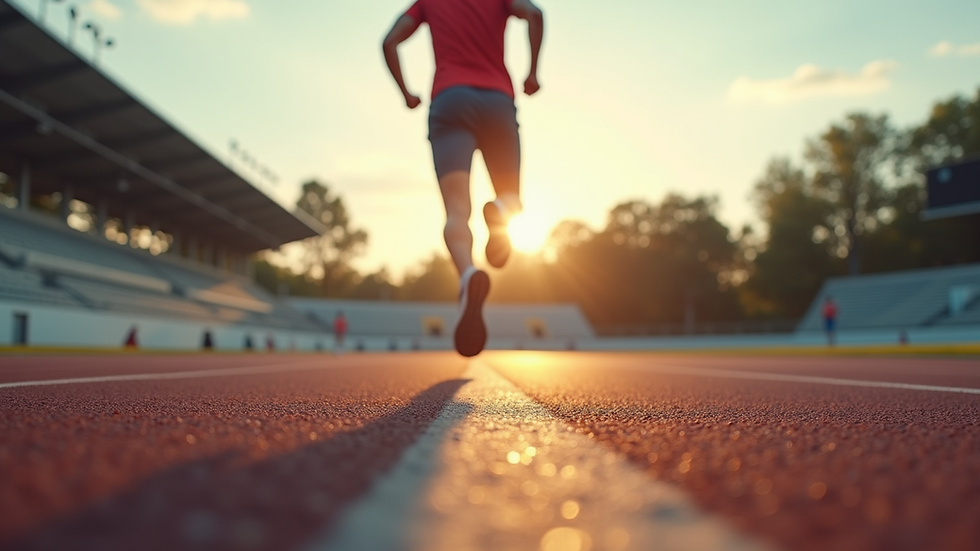
Using these techniques, I can capture the intensity and emotion of every moment. For example, during a local track meet, I set my camera to burst mode with continuous autofocus and a shutter speed of 1/2000th. This allowed me to freeze runners in mid-stride, highlighting their determination and speed.
How to Get Into Action Sports Photography?
Diving into action sports photography can be both exciting and challenging. Here’s a step-by-step guide to help you get started:
Choose Your Sport: Start with a sport you are passionate about or have easy access to. This connection will keep you motivated.
Learn the Sport’s Rhythm: Understanding the flow of the game or event helps you anticipate key moments.
Invest in the Right Gear: A camera with fast autofocus, a telephoto lens (70-200mm or longer), and a sturdy tripod or monopod are essential.
Practice Timing: Attend local games or events and practice shooting in burst mode. Experiment with shutter speeds and angles.
Study Other Photographers: Analyze images from professionals to understand composition and timing.
Build Relationships: Connect with athletes, coaches, and event organizers. This can open doors to exclusive shooting opportunities.
Edit Thoughtfully: Post-processing can enhance your images but avoid over-editing. Keep the action natural and authentic.
Starting with local sports events in Ames, IA, I found that building rapport with athletes helped me capture more intimate and powerful shots. They trusted me to tell their story through my lens, which made a significant difference in the quality of my work.
Choosing the Right Equipment for Action Photography
The gear you use can make or break your action shots. While skill is paramount, having the right tools enhances your ability to capture fast-moving subjects effectively.
Camera Body: Look for cameras with high frames per second (fps) rates and reliable autofocus systems. Mirrorless cameras have become popular for their speed and compact size.
Lenses: A versatile zoom lens like a 70-200mm f/2.8 is a staple. It offers flexibility to shoot from a distance and a wide aperture for low light.
Memory Cards: Use high-speed memory cards to handle burst shooting without lag.
Stabilization: A monopod or tripod with a gimbal head can help stabilize your shots during long events.
Accessories: Extra batteries, lens hoods, and weather protection gear are practical must-haves.
For example, during a basketball game, I rely on a 70-200mm lens to zoom in on players from the sidelines. The fast autofocus and wide aperture allow me to capture sharp images even under indoor lighting conditions.

Tips for Composing Dynamic Action Shots
Composition plays a crucial role in making your action photos stand out. Here are some tips to create visually compelling images:
Rule of Thirds: Position your subject off-center to create balance and interest.
Lead Room: Leave space in the direction the subject is moving. This gives a sense of motion and anticipation.
Background: Choose backgrounds that contrast with your subject to avoid distractions.
Angles: Experiment with low or high angles to add drama and perspective.
Capture Emotion: Focus on facial expressions or body language that convey intensity or joy.
Use Foreground Elements: Incorporate elements like fences or equipment to add depth.
At a local soccer match, I crouched low to the ground to shoot a player dribbling the ball. The low angle emphasized the player’s speed and control, while the blurred crowd in the background added context without distraction.
Enhancing Your Images with Post-Processing
Post-processing is where your images can truly come to life. It’s important to enhance without losing the authenticity of the moment.
Adjust Exposure and Contrast: Fine-tune brightness and contrast to make the subject pop.
Sharpen Details: Use sharpening tools to enhance edges, especially on the subject.
Crop for Impact: Tighten your composition by cropping out unnecessary elements.
Color Correction: Adjust white balance and saturation to reflect the true colors of the scene.
Noise Reduction: Apply noise reduction carefully, especially for images shot at high ISO.
I use editing software to subtly enhance my action shots, ensuring the energy and emotion remain intact. For instance, brightening a runner’s jersey or sharpening the ball in mid-air can make the image more striking.
Elevate Your Visual Storytelling with Action Photography
Mastering action photography techniques is about more than just capturing movement. It’s about telling a story that resonates with viewers. Whether you’re photographing athletes, events, or dynamic moments, your images should convey passion, effort, and achievement.
By applying these techniques and continuously practicing, you can create powerful visuals that elevate your brand and connect with your audience. If you want to explore more about sports and action photography, consider reaching out to professionals who understand the nuances of this exciting field.
With dedication and the right approach, you can transform fleeting moments into timeless images that inspire and engage.


Comments